
Active roof leaks
We trace leaks to the source, not the ceiling stain. Leak paths often travel along underlayment, decking seams, and truss chords before they show up inside.
Serving Pembroke Pines, Florida & surrounding areas
Mon–Sat · 7am–7pm
Stop leaks fast, protect your home, and get a clear written scope before any work starts. Our local crew diagnoses the real cause and makes durable repairs that match your roof system.
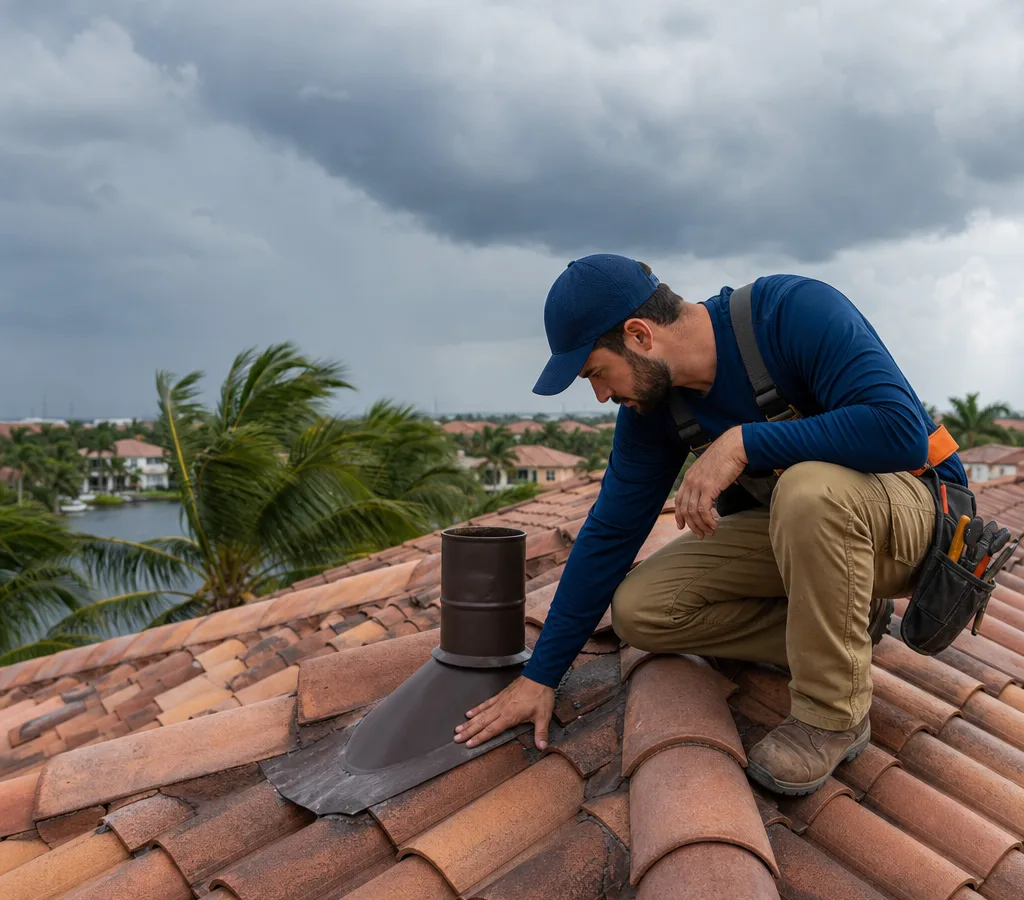
If you searched for roof repair Pembroke Pines FL, you are probably dealing with a leak, missing or damaged shingles, or storm-related issues that need attention before they spread into decking, insulation, drywall, or electrical.
Pembroke Pines sits in a hurricane-prone region where wind uplift, wind-driven rain, and intense sun all punish roofing materials. A repair that holds up here is not just a patch on the wet spot. It starts with finding the entry point—often far from the stain—and fixing the failure in the roof system: flashing, underlayment transitions, penetrations, edges, or a damaged field area.
Roofing Pembroke Pines focuses on repair work that is sized to the problem. When a repair is the right move, we keep it straightforward: document what we found, explain options, and complete the repair with materials and methods that match your roof type and local conditions. If your roof is at the end of its service life, we will tell you that too, because repeated small repairs can cost more than addressing the root issue.
We trace leaks to the source, not the ceiling stain. Leak paths often travel along underlayment, decking seams, and truss chords before they show up inside.
Lifted shingles, damaged ridge caps, blown-off tabs, and loosened metal edge can let wind-driven rain under the roof covering.
Chimneys are uncommon locally, but wall transitions, step flashing, counterflashing, and drip edge details still matter. Small gaps at flashing can create big leaks.
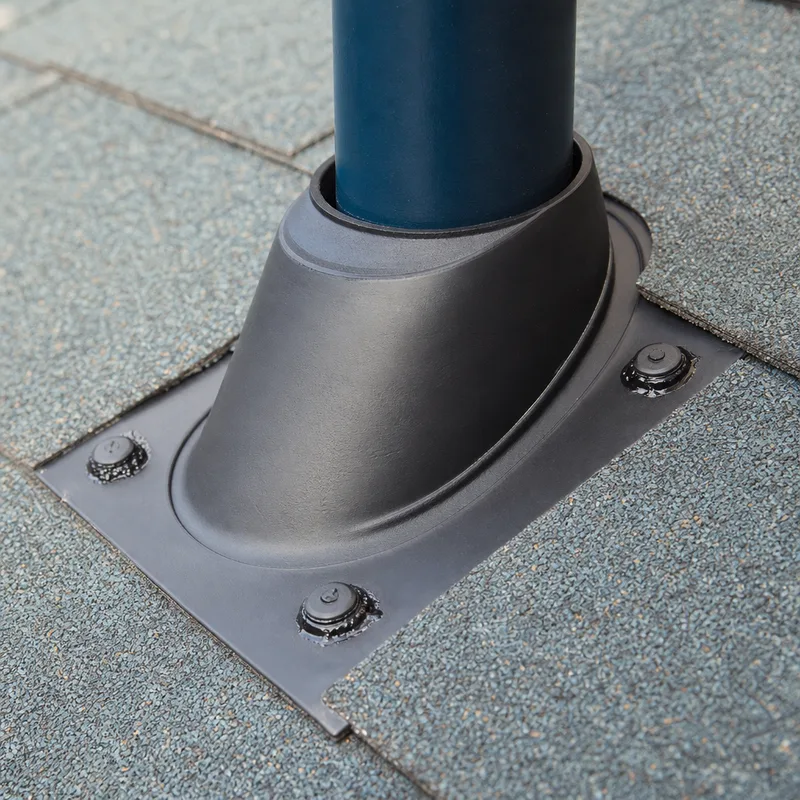
Plumbing vents, exhaust terminations, and other penetrations can leak when boots crack, sealant fails, or fasteners back out.
Cracked or slipped tiles, broken mortar at ridges and hips, and underlayment wear are common repair targets on tile systems.
Ponding areas, open seams, deteriorated flashing, and failed terminations on modified bitumen or other low-slope systems often show up as recurring leaks.
A reliable repair starts with an inspection that treats the roof as a system. We look at the roof covering, edges, penetrations, and flashing details, then confirm likely leak paths. When needed, we also check the attic for moisture patterns, mold risk, and the underside of decking to narrow down the entry point.
For asphalt shingle roofs, repairs commonly include replacing damaged shingles, re-sealing or re-fastening where appropriate, correcting lifted courses, and rebuilding flashing details where they failed. For tile roofs, it may involve resetting tiles, replacing broken tiles, addressing ridge or hip components, and repairing the waterproofing layer when the issue is not the tile itself.
What we avoid is the quick surface patch that looks good for a week and fails during the next heavy rain. If a repair needs a flashing rebuild, proper underlayment tie-in, or a correctly detailed termination, we recommend that approach up front so you are not paying twice.
If you are still deciding who to hire, it helps to compare crews the same way you compare any trades professional: clear scope, clear exclusions, and a plan you can understand. Many homeowners start their search with roofers in Pembroke Pines because response time, familiarity with local roof types, and repair experience matter when you need the problem solved quickly.
We identify the failure, document the repair plan, and complete work that matches your existing roof system.
We start by understanding the symptoms—active dripping, ceiling stains, or missing material after a storm—and checking for immediate safety issues such as sagging decking or downed debris.
We inspect common entry points first: penetrations, flashing lines, edges, valleys, and transitions. When a leak is hard to pin down, we follow moisture clues rather than guessing.
You get a clear explanation of what failed, what needs to be repaired, and what we recommend. If there is more than one sound approach, we lay out the tradeoffs.
We complete the repair using materials compatible with your existing roof system and restore affected details such as flashing, fasteners, and seal points. Work areas are kept tidy and debris is removed.
We review what was repaired, point out nearby conditions to watch, and confirm any future maintenance that can help prevent repeat problems.
Most roof repair projects in Pembroke Pines typically range from about $250 to $1,500, depending on roof type and what failed. A small repair like replacing a handful of shingles or resealing a penetration often lands around $250 to $600, while more involved leak repairs with flashing rebuilds or tile work commonly run $700 to $1,500+.
Final pricing depends on the leak source, how much material must be removed and replaced, roof height and access, the type of roof system—shingle, tile, or low-slope—and whether there is hidden damage to underlayment or decking. The exact cost is confirmed after an on-roof inspection and a written scope.
“We had a leak that kept coming back after a prior patch. They found the actual entry point near a vent and fixed the flashing correctly. The next heavy rain was the real test and it stayed dry.”
“Clear explanation, photos of what was wrong, and the repair was done without turning it into a bigger project than it needed to be.”
“After a windy storm we had loose shingles and a small drip. They came out quickly, replaced the damaged area, and cleaned up everything.”
For active leaks, the priority is to stop water intrusion as soon as scheduling allows, then complete the durable repair once the roof area is safe and workable. Response time depends on weather and current demand after storms, but we treat active leaks as urgent because water damage spreads quickly in South Florida humidity.
No, the stain is often not directly below the entry point because water can travel along decking, underlayment, nails, or framing before it drops onto insulation or drywall. A good roof repair inspection follows the most likely pathways and checks common failure points first instead of patching the closest roof area to the stain.
Yes, roof repair can involve shingle systems, tile systems, and low-slope roofs, but the fix has to match the roof type. For tile, the problem is frequently underlayment, flashing, or a slipped or cracked tile, so the repair may require carefully lifting and resetting tiles rather than just sealing the surface.
Yes, missing or lifted shingles are repairable in many cases, especially when damage is confined to one section and the surrounding roof is in reasonable condition. The key is restoring wind-resistant details, including proper fastening, replacement materials, and correct sealing where required—not just gluing down loose areas.
Only if the decking is deteriorated or structurally compromised. Many leaks are addressed with targeted repairs to flashing, underlayment transitions, or roof covering, but if inspection shows soft or rotted wood, that section should be replaced so the repair has a solid base.
If water is actively entering, protect belongings and place a container under drips, then use towels to reduce spreading. Avoid going onto the roof because wet surfaces are dangerous; temporary interior steps reduce damage, but the long-term fix still requires correcting the roof entry point.
Tell us what you are seeing and when the problem started. We will schedule an inspection, pinpoint the source, and provide a clear written scope so you can approve the right repair with confidence.